


Trading can be exciting and profitable, but it also comes with risks. Market conditions change, losses happen, and sometimes things do not go as planned. What happens when a trader suddenly faces a personal financial crisis, like a medical bill or unexpected car repair? Without a backup plan, they may be forced to withdraw funds from their trading account or take on debt, making financial recovery even harder.
What Is an Emergency Fund?
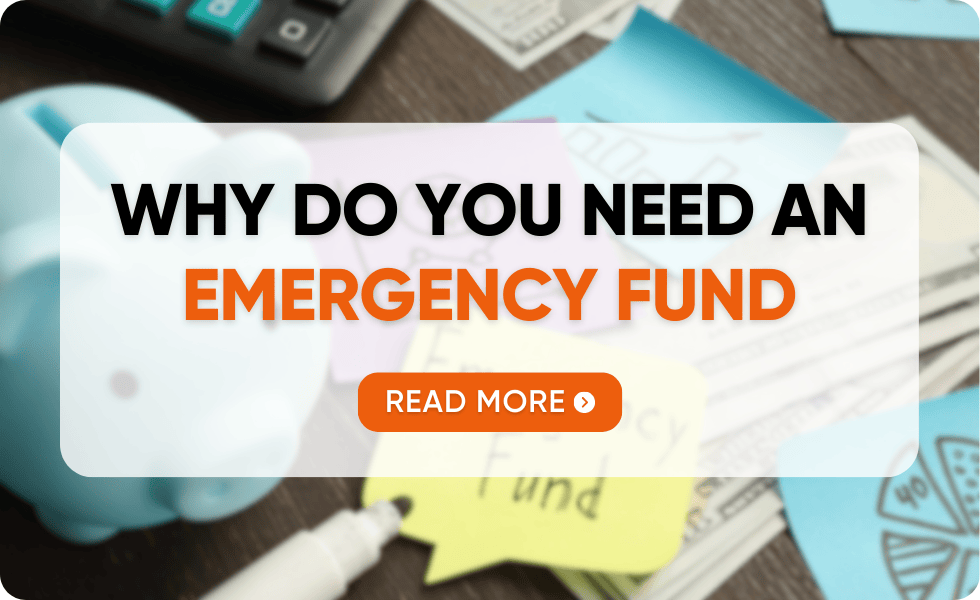
An emergency fund is money set aside for unexpected situations that require immediate financial attention. Unlike trading capital, this money is not for investing or taking risks—it is strictly for emergencies.
For traders, having an emergency fund means never needing to dip into trading accounts when real-life expenses arise. This protects trading capital and keeps strategies intact, even when personal financial difficulties happen.
Imagine a trader who suddenly needs $2,000 for an emergency dental procedure. If they do not have emergency savings, they might:
- Withdraw funds from their trading account, disrupting their strategy.
- Take out a loan or use a credit card, leading to interest payments.
- Sell assets at the wrong time, potentially losing money.
Having an emergency fund prevents all of these issues, making it a critical part of a risk management strategy for traders.
Why Is an Emergency Fund Important for Traders?
1. Protects Trading Capital from Non-Trading Expenses
A trader’s capital is meant for investing, not for covering personal emergencies. Without an emergency fund, traders may be forced to withdraw money, affecting their ability to trade effectively. This can lead to missed opportunities or disruptions in long-term strategies.
For example, if a trader is using leverage and suddenly needs cash, they might be forced to close positions early, leading to unnecessary losses.
2. Prevents Emotional Decision-Making in Trading
Financial stress often leads to poor trading decisions. If a trader is struggling to pay bills, they might start making high-risk trades out of desperation, hoping for quick profits. This can lead to bigger losses and even more stress.
An emergency fund provides peace of mind, allowing traders to focus on their strategy without feeling pressured to take unnecessary risks.
3. Helps Traders Survive Market Downturns
Financial markets are unpredictable. A trading strategy that works today may struggle during a market downturn. If a trader relies solely on trading profits for income, they may face serious financial trouble when market conditions change.
Having three to six months’ worth of living expenses saved allows traders to wait out bad market conditions instead of feeling forced to make trades that could result in heavy losses.
4. Covers Personal Emergencies Without Impacting Trading
Life happens. Whether it is a medical bill, a home repair, or an unexpected travel expense, emergencies come up when least expected.
Without a backup fund, traders might have no choice but to borrow money or sell assets at a loss. This can derail financial progress and make it harder to get back on track.
5. Provides Stability for Full-Time Traders
An emergency fund is even more critical for traders who rely on trading as their primary source of income. Unlike a traditional salary, trading income is inconsistent. Some months will be profitable, while others may bring losses.
An emergency fund acts as a buffer during slow periods, ensuring that essential expenses like rent, utilities, and groceries are always covered.
How Much Should Traders Save in an Emergency Fund?
The amount traders should save depends on several factors, including income, expenses, and risk tolerance. Below is a guideline based on different types of traders:
| Type of Trader | Recommended Emergency Fund | Reason |
| Part-time trader with a stable job | 1-3 months’ worth of expenses | Has another income source for stability |
| Full-time trader with no fixed salary | 6-12 months’ worth of expenses | Needs longer financial security for slow trading months |
| Leverage trader (high risk) | 6+ months’ worth of expenses | Higher risk means more protection needed |
| Beginner trader | $1,000 – $2,500 minimum | Just starting out, still learning risk management |
For those relying fully on trading income, a larger emergency fund is ideal since markets can be unpredictable.
Where Should Traders Keep Their Emergency Fund?
An emergency fund should be easily accessible but separate from trading capital. Here are some ideal places to store it:
- High-Yield Savings Account – Offers easy access and earns some interest.
- Money Market Account – A mix between a savings and checking account with better returns.
- Fixed Deposits (with short-term access) – If not needed immediately, some funds can go here for slightly higher interest.
- Separate Bank Account – Keeps emergency funds safe from being used for daily expenses.
What traders should not do:
🚫 Keep emergency funds in a trading account—the temptation to use them is too high.
🚫 Invest emergency funds in stocks, crypto, or forex—value can drop when funds are needed most.
Final Thoughts
An emergency fund is not just an option for traders—it is a necessity. It acts as a safety net, protecting trading capital, reducing financial stress, and helping traders make better decisions. Whether you trade part-time or full-time, having money set aside for unexpected expenses allows you to stay focused on the market without worrying about personal financial emergencies.
If you have not started building an emergency fund yet, start today. Even saving a small amount each month can make a huge difference when unexpected expenses come up. The best traders are not just good at managing trades—they are good at managing risk.