


The Philippine economy slows as new corruption issues in public projects cause worry among many people. Growth has weakened because several government projects were delayed while checks and reviews were done. This made families, workers, and investors more careful with their money. When people and businesses slow their spending, the whole economy feels the effect.
Key Takeaways
- The economic slowdown is linked to delays in government projects.
- Corruption issues led to lower public trust.
- Families and businesses became more careful with spending.
- Investors pulled back due to rising concern.
- The weaker growth shows how strong trust is needed for a healthy economy.
What Happened to the Philippine Economy
Recent reports show that the Philippine economy slows compared to the previous year. Growth did not reach the level the country expected, and this raised concern among many groups. A weaker economy affects jobs, pay, and daily expenses. When growth slows, families can feel the pressure in different ways. Simple choices like food, transport, and school needs become harder to manage when prices rise faster than income.
How Corruption Issues Came Into the Picture
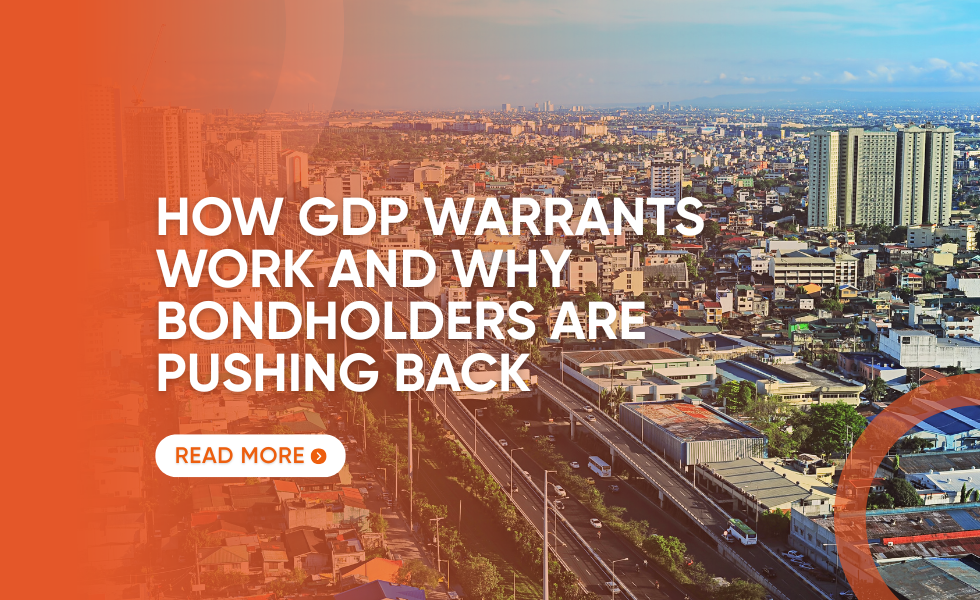
The slowdown began after several corruption issues in public projects were reported. Many of these issues were linked to flood control work and other important projects that communities depend on. Because of these problems, the government paused several projects so they could review the missing funds and possible fake activities. These delays caused spending to slow down at a time when the country needed steady action. With many questions still left unanswered, people grew worried about how the budget was being used.
How Lower Public Trust Affects Growth
Public trust plays a big role in the Philippine economy. When people lose trust, they tend to hold back on spending. This affects economic slowdown Philippines trends because spending from families makes up a large part of growth. Businesses also become careful. They delay plans for new stores, new jobs, or new products because they feel unsure. Investors react the same way, and this leads to even slower movement in the economy. When several groups pull back at the same time, growth becomes weaker.
What This Means for Daily Life
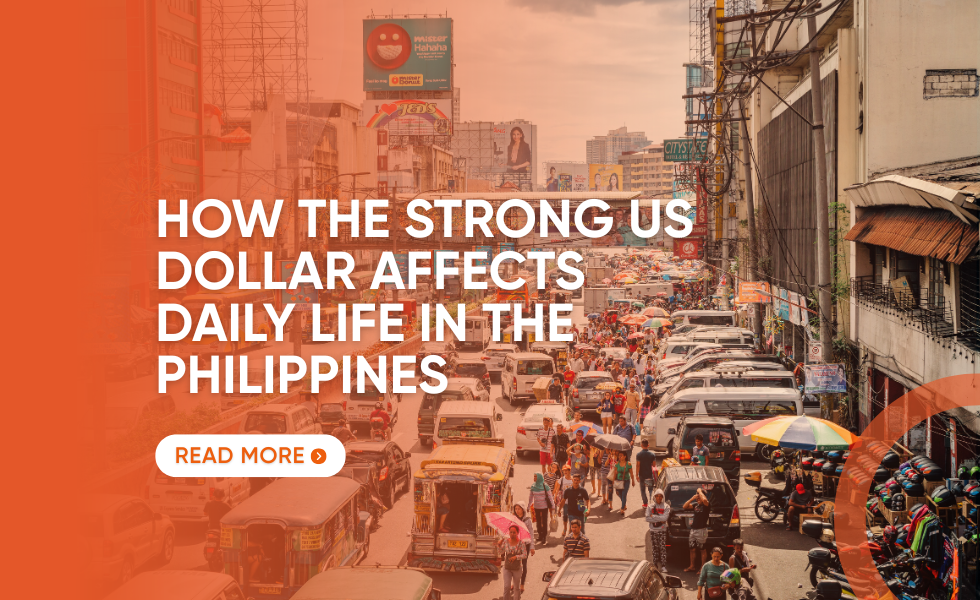
A weak economy is not just a number. It affects the daily lives of many people. Some workers may find it harder to get new jobs. Some businesses may slow down hiring. Public projects may take longer to finish, which affects roads, schools, and safety in many communities. For families, this means tighter budgets and more careful spending. When trust in government spending drops, the whole system becomes less active than it should be.
What Experts Say About the Slowdown
Experts believe that corruption issues are a major factor contributing to the economic slowdown. Many argue that the delays in public spending created a domino effect. When the government slows down its spending, it impacts workers, suppliers, and local communities, further weakening the economy. This lack of confidence in public spending leads to even lower business and consumer confidence. Experts stress that stable and transparent project management is crucial for restoring economic stability.
What It Means for Forex Traders and Investors
For forex traders and investors, the current economic slowdown in the Philippines signals caution. As corruption issues and delays in public projects create instability, traders and investors are likely to hesitate before making major moves. The uncertainty surrounding government spending and economic growth can lead to increased volatility in the forex market. Investors may pull back from Philippine assets, opting for safer investments until stability is restored. For forex traders, this means that currency fluctuations could be more dramatic, making it crucial to closely monitor news and market trends. Until the situation stabilizes, traders may find it challenging to predict the direction of the peso and related assets.