


Forex trading is an exciting way to explore the financial markets by buying and selling currencies. As the largest financial market in the world, it operates 24 hours a day, allowing traders from all over the globe to participate. For beginners, starting forex trading might feel overwhelming, but it does not have to be.
What Is Forex Trading?
Forex trading, or foreign exchange trading, involves exchanging one currency for another to make a profit. For instance, when trading the currency pair EUR/USD, you are speculating whether the euro will rise or fall in value against the U.S. dollar.
The forex market is unique because it is decentralized. Instead of one central exchange, trades happen through a network of brokers, banks, and financial institutions. It is the most liquid market, with trillions of dollars traded daily.
Currency pairs are the foundation of forex trading. They are categorized into three types:
- Major pairs: Most traded and include the U.S. dollar (e.g., EUR/USD).
- Minor pairs: Do not include the U.S. dollar but feature other major currencies (e.g., EUR/GBP).
- Exotic pairs: Involve a major currency and a less commonly traded one (e.g., USD/TRY).
Understanding the Basics
Forex trading involves more than just exchanging currencies; it requires a solid understanding of key concepts and tools. Building this foundational knowledge is essential for making informed decisions and managing risks effectively.
Key Players in Forex Trading
Several players operate in the forex market:
- Retail Traders: Individuals like you who trade through brokers.
- Forex Brokers: Provide access to trading platforms and act as intermediaries.
- Financial Institutions: Banks and large organizations that trade in huge volumes.
Common Forex Terms to Know
Here are some important terms you need to know:
- Leverage: Allows you to trade larger positions than your account balance.
- Pips: The smallest price movement in a currency pair.
- Spread: The difference between the bid (buy) and ask (sell) price.
Tools Needed for Forex Trading
- Trading Platforms: Software where trades are executed, like MetaTrader 4 or 5.
- Demo Accounts: Risk-free accounts to practice trading.
- Educational Resources: Videos, tutorials, and articles to help you learn.
How to Make Money Forex Trading
Making money in forex trading requires more than just buying and selling currencies. It demands a combination of strategy, discipline, and effective risk management. While forex trading offers profit potential, it is important to understand that it is not a shortcut to instant wealth.
How Do Traders Make Money in Forex?
The primary way to earn money in forex trading is by correctly predicting currency price movements. For instance:
- Going Long: If a trader believes the euro will strengthen against the U.S. dollar (EUR/USD), they can buy euros. If the price rises, they sell at a higher value to make a profit.
- Going Short: If a trader expects the euro to weaken, they can sell euros and buy them back at a lower price, profiting from the difference.
For example, if you buy euros at $1.20 and sell them when the price rises to $1.22, you make a 2-cent profit per euro traded.
Another strategy is carry trading, which involves profiting from interest rate differences between two currencies. By buying a currency with a higher interest rate and selling one with a lower rate, traders can earn the interest rate differential. For example, purchasing Australian dollars (4% interest rate) using Japanese yen (0.1% interest rate) could generate nearly 4% annually, along with potential profits from exchange rate movements.
Keys to Successful Forex Trading
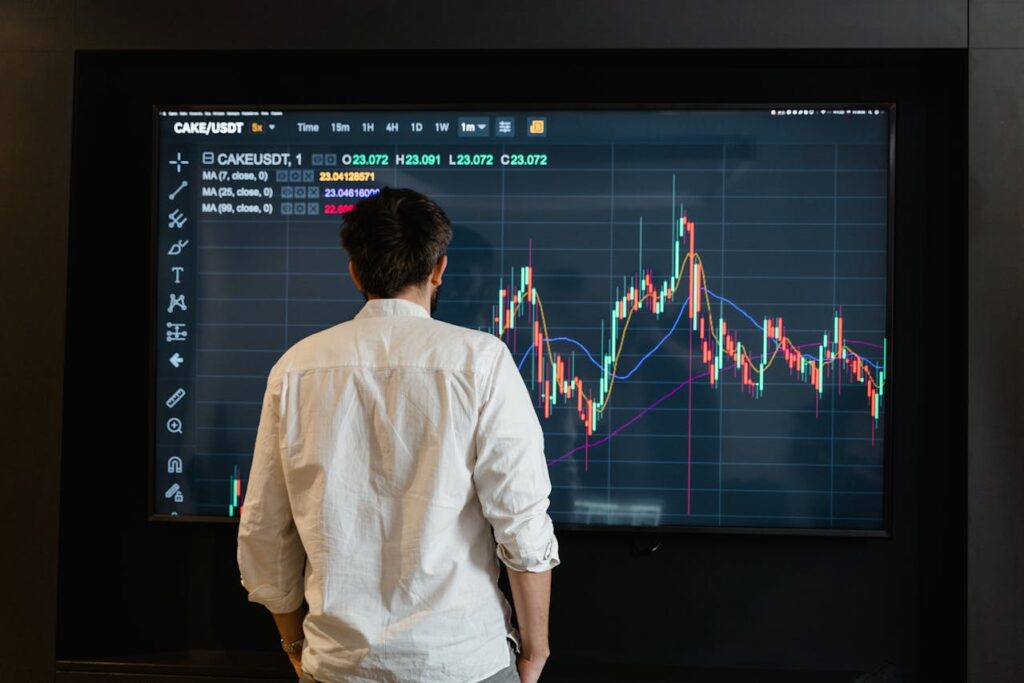
Here are five essential principles successful traders follow:
- Start Small:
Begin with a mini or micro account to trade smaller amounts as you gain experience. This reduces risk while allowing you to learn in a live trading environment. - Use Stop-Loss Orders:
Stop-loss orders automatically close trades when they hit a predetermined loss level. This tool protects your account from significant losses during unexpected market movements. - Avoid Over-Leveraging:
Leverage can amplify both profits and losses. Successful traders use modest leverage ratios to manage risk effectively, often avoiding the temptation of excessive leverage. - Diversify Currency Pairs:
Trading a variety of currency pairs spreads risk. Relying on a single pair can be risky, especially when market conditions change. Diversification helps balance potential losses. - Review and Learn:
Keep a detailed trading journal to track all your trades, including entry and exit points, strategies used, and outcomes. Regularly reviewing your records helps you identify strengths and areas for improvement.
How to Start Trading Forex
Getting started with forex trading requires a clear roadmap to build your skills and confidence. At Profitech Trading Suite, we simplify this journey for beginner traders, offering tools and services designed to make navigating the financial markets easier. Combined with the powerful and user-friendly Vantage Trading Platform, you’ll have the support you need to trade effectively.
Steps to Get Started
- Learn About Forex
Start by expanding your knowledge of the forex market. Understand key concepts like currency pairs, market patterns, and the factors influencing currency prices. A strong grasp of these fundamentals will provide the foundation for informed trading decisions. - Develop a Trading Strategy
Explore various trading strategies, such as technical analysis, fundamental analysis, or news trading. Choose an approach that aligns with your trading style and risk tolerance. Profitech’s educational resources can guide you in selecting and refining the right strategy. - Create a Trading Plan
Develop a comprehensive plan that includes your goals, risk tolerance, preferred strategies, and criteria for assessing trades. Discipline is crucial—stick to your plan even when emotions rise during active trading. - Set Up a Brokerage Account
Select a broker regulated by a reputable financial authority, like the Commodities Futures Trading Commission (CFTC) in the U.S. Look for brokers offering low fees, responsive customer support, and user-friendly platforms like the Vantage Trading Platform, which simplifies the trading experience for beginners. - Practice with a Demo Account
Before risking real money, use a demo account to practice trading. This allows you to refine your strategies and understand the mechanics of forex trading without financial risk. The Vantage Trading Platform offers a robust demo environment for learning. - Start Slowly
Transition to trading with real money only when you feel confident. Begin with small trades to manage risk and gradually increase your position size as your experience grows. - Stay on Top of Your Positions
Review your trades regularly and ensure your account has adequate funds. Use stop-loss and take-profit orders to manage risks effectively and safeguard your profits. - Monitor and Adapt
Stay updated with market news, economic indicators, and geopolitical events that could impact currency prices. While being adaptable is important, avoid making frequent changes to your strategy based on short-term price movements.
By following these steps and leveraging the resources from Profitech Trading Suite and the Vantage Trading Platform, you’ll have the knowledge and tools to build a strong foundation in forex trading. Start your journey with confidence and a commitment to continuous learning.