

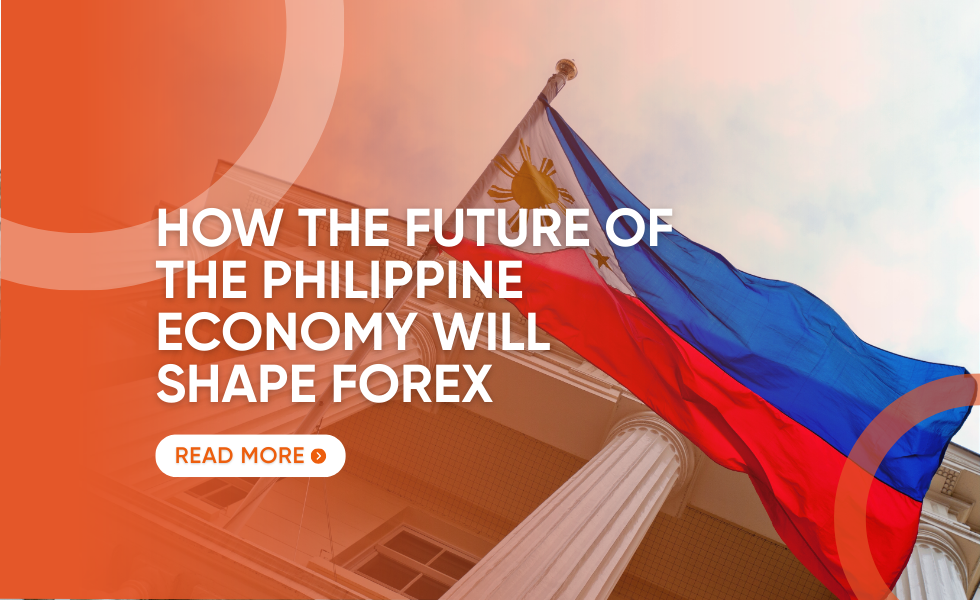
The Philippine economy has been a growing force in Southeast Asia, and as it continues to develop, it is expected to have a significant impact on forex markets and investment opportunities. Understanding how the economy will evolve in the coming years is important for anyone looking to invest in the country’s financial markets.
Key Takeaways
- The Philippine economy is projected to grow moderately, which will impact investment opportunities.
- The value of the Philippine peso is expected to fluctuate, affecting forex trading and international investments.
- The growth of sectors like infrastructure and renewable energy will provide new investment opportunities.
- Lower inflation and interest rates will encourage investment and make borrowing more affordable.
The Philippine Economy’s Growth and Its Impact on Forex
In 2025, the Philippine economy is expected to grow at a rate of 5.5% to 6.5%. This growth is a key factor in how the country’s financial markets will evolve. As the economy expands, the value of the Philippine peso is likely to appreciate against other currencies. A stronger peso means that it will take less money to buy foreign currencies, making imports cheaper and affecting forex market trends.
On the other hand, a weaker peso can increase the cost of imports and lead to inflation. This is important for forex traders because fluctuations in the value of the peso directly impact currency exchange rates. When the peso strengthens, foreign investors are more likely to bring capital into the country, looking to benefit from a favorable exchange rate. Therefore, investors in the forex market closely monitor the Philippine economy to predict how the peso will move against major currencies like the US dollar.
Investment Opportunities in a Growing Economy
As the Philippine economy grows, new investment opportunities will emerge, especially in sectors like infrastructure, renewable energy, and technology. The government’s “Build Better More” program focuses on improving infrastructure across the country, and this will likely attract both domestic and foreign investments. Projects in transportation, healthcare, and urban development will create numerous opportunities for investors.
Another key area for investment is renewable energy. The Philippines has been expanding its renewable energy sector, including wind and solar power, which is expected to grow rapidly in the coming years. The government’s decision to allow 100% foreign ownership in renewable energy projects is likely to bring in more international investors. These investments will not only contribute to the country’s economic growth but will also open up new avenues for forex trading as investors seek to capitalize on these growing sectors.
Inflation and Interest Rates: Key Factors for Investments
Inflation and interest rates are important factors that influence the Philippine economy and, by extension, its investment landscape. Inflation in the Philippines has been steadily decreasing and is projected to remain low, making it easier for investors to plan for the future. Low inflation means that the cost of living will not rise too quickly, which is a positive sign for both investors and consumers.
The Bangko Sentral ng Pilipinas (BSP) has also shown signs of reducing interest rates in response to the current economic climate. This will make borrowing money cheaper and encourage investment. For instance, when interest rates are low, individuals and businesses are more likely to take out loans to invest in various opportunities, from real estate to stocks. Lower interest rates can make stocks and bonds more attractive, as the returns become more competitive compared to savings accounts or other low-risk options.
The Role of Forex Markets in Investment Strategy
Forex markets play a crucial role in the investment strategy of any country, and the Philippines is no exception. As the Philippine economy grows and the peso fluctuates, forex traders must adjust their strategies. A strong peso, for example, may signal an opportunity to invest in the country’s export sector, as it will be more affordable for foreign buyers to purchase Filipino goods.
On the other hand, a weaker peso can make exports cheaper, which can benefit local businesses. In the context of investments, forex traders need to understand how currency fluctuations impact investment returns. A better understanding of the Philippine peso’s movements will help traders decide when to enter or exit the market. This is particularly important for those looking to invest in the Philippine stock market or other local assets that are influenced by exchange rates.
What Does This Mean for You?
For anyone considering investing in the Philippines, staying informed about the country’s economic trends is crucial. With the Philippines’ economic growth projected to continue, there will be opportunities in several sectors, including infrastructure, renewable energy, and foreign exchange. Understanding the value of the peso and how it fluctuates will help you make more informed decisions about when to invest in the forex market or other investment options.
Investors should also keep an eye on inflation and interest rates, as these will influence the cost of borrowing and the attractiveness of various investments. While the future of the Philippine economy looks promising, it is essential to remain aware of any potential challenges that may affect currency and investment markets in the years ahead.
Conclusion
The future of the Philippine economy will have a direct impact on both the forex and investment markets. As the country continues to grow, it will provide new opportunities for investors, both foreign and domestic. The value of the Philippine peso, along with economic factors like inflation and interest rates, will shape the way people approach investment in the Philippines. By staying informed about these factors, you can make better decisions in forex trading and other investment markets.