



The Japanese yen, one of the most actively traded currencies in the forex market, has always been influenced by both Japan’s domestic policies and global market dynamics. Recently, the International Monetary Fund (IMF) reaffirmed its support for a market-driven approach to the yen’s value, meaning the currency’s value will be determined by supply and demand in the market, rather than by direct intervention from the Bank of Japan.
Key Takeaways
- The IMF supports a market-driven approach to the yen, allowing its value to be shaped by global market forces.
- This shift means that forex traders should focus on factors like global interest rates, economic data, and risk sentiment when trading the yen.
- A more flexible yen makes forex trading less predictable, so traders need to adapt their strategies accordingly.
- The market-driven approach reduces the likelihood of central bank intervention in currency values, leaving traders to rely more on economic indicators.
IMF’s Role in Currency Valuation
The IMF, a global organization that monitors the stability of the world economy, has long supported a system where currency values are determined by market forces rather than fixed exchange rates. This support is based on the idea that a freely floating currency can adjust to economic changes more easily than one with a set value dictated by a central bank.
By backing the market-driven yen, the IMF is reinforcing the importance of transparency and flexibility in currency markets. This means the IMF does not see a need for the Bank of Japan to directly intervene in the yen’s value unless there are extreme economic conditions. For forex traders, this gives them a clearer understanding of how the yen will behave, allowing them to develop more informed strategies.
Why Does This Matter to Forex Traders?
For forex traders, the IMF’s stance on the yen is significant. If traders were previously relying on the Bank of Japan’s intervention to stabilize the yen, they now know that market forces will determine its value. This means that traders can no longer assume that the yen will be kept within a certain range by Japan’s central bank, making it essential to adjust their strategies. Here are a few key considerations for traders:
- Interest Rate Differentials: The value of the yen will be highly sensitive to changes in interest rates, especially in comparison with rates set by central banks in other major economies like the Federal Reserve or the European Central Bank. When the Bank of Japan’s interest rates are lower than those of other central banks, the yen may weaken as investors seek higher returns elsewhere. Conversely, if Japan’s rates rise, the yen could strengthen as investors flock to Japanese assets.
- Global Economic Events: Events such as changes in global trade policies, economic growth, or geopolitical instability can cause fluctuations in the yen’s value. For example, if there is a global financial crisis or a major trade dispute, the yen may react to these factors due to its status as a safe-haven currency. Traders must watch these events closely to anticipate how they will affect the yen’s value.
- Market Sentiment: As the yen’s value is now more tied to market sentiment, traders need to monitor how global risk appetite shifts. When risk appetite is high, investors might move away from the yen in favor of higher-yielding currencies. When markets are risk-averse, the yen could appreciate as investors seek safe-haven assets.
How the IMF’s Stance Affects Long-Term and Short-Term Forex Trading
The IMF’s support for a market-driven yen can have different implications for short-term and long-term traders.
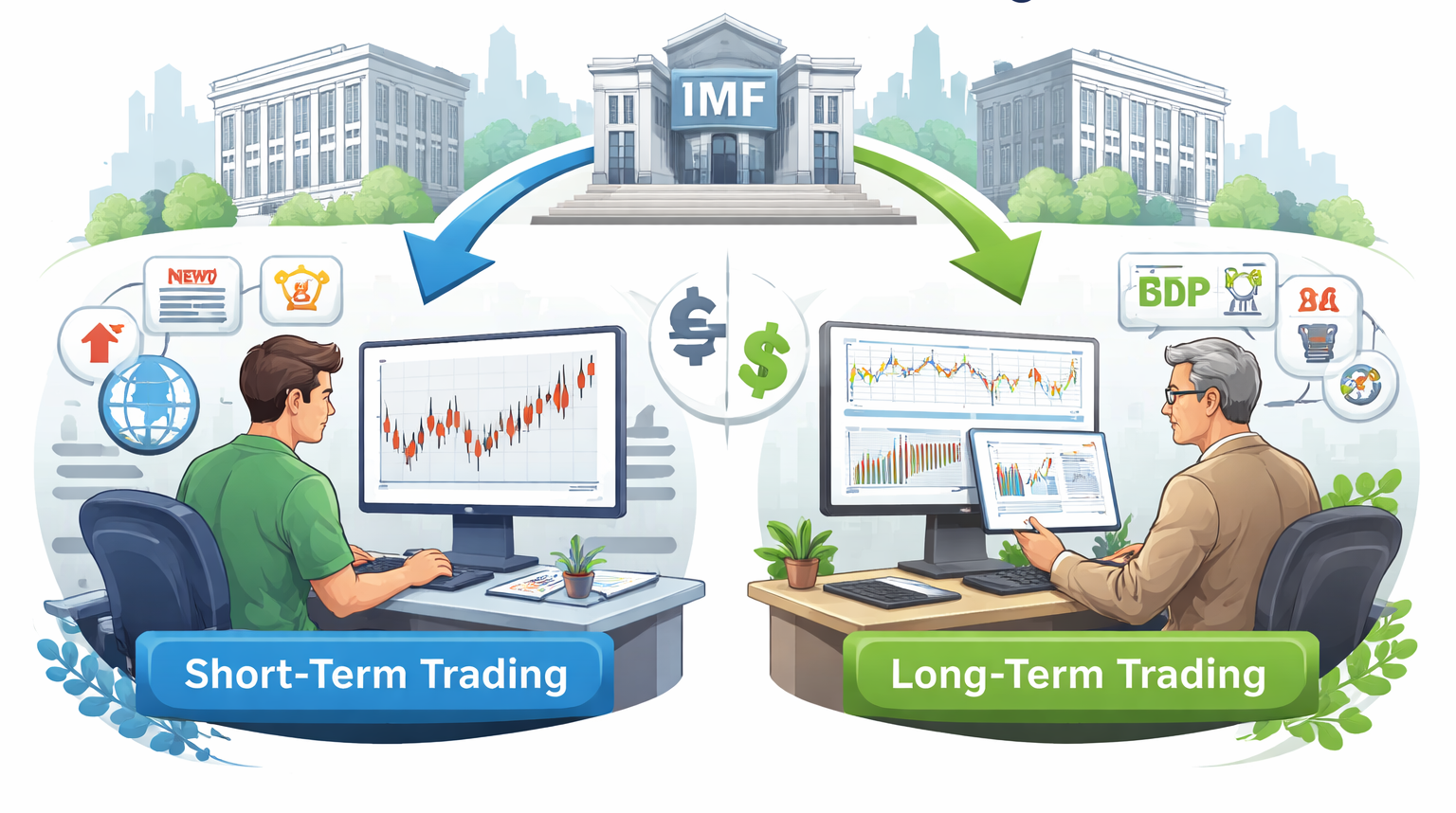
- Short-Term Traders: For short-term traders, this shift means that volatility in the yen could increase. If global risk sentiment changes quickly, such as during geopolitical tensions or economic data releases, the yen’s value could fluctuate significantly. Traders who engage in day trading or swing trading will need to be alert to short-term changes and adjust their positions accordingly.
- Long-Term Traders: For traders with a longer-term outlook, this change means that they must focus more on Japan’s economic fundamentals. Economic data like GDP growth, inflation rates, and fiscal policies will become more important. Additionally, long-term forex traders will need to consider how the yen’s value correlates with the broader global economy, especially in relation to the U.S. dollar and other major currencies.
What to Watch for in the Coming Months
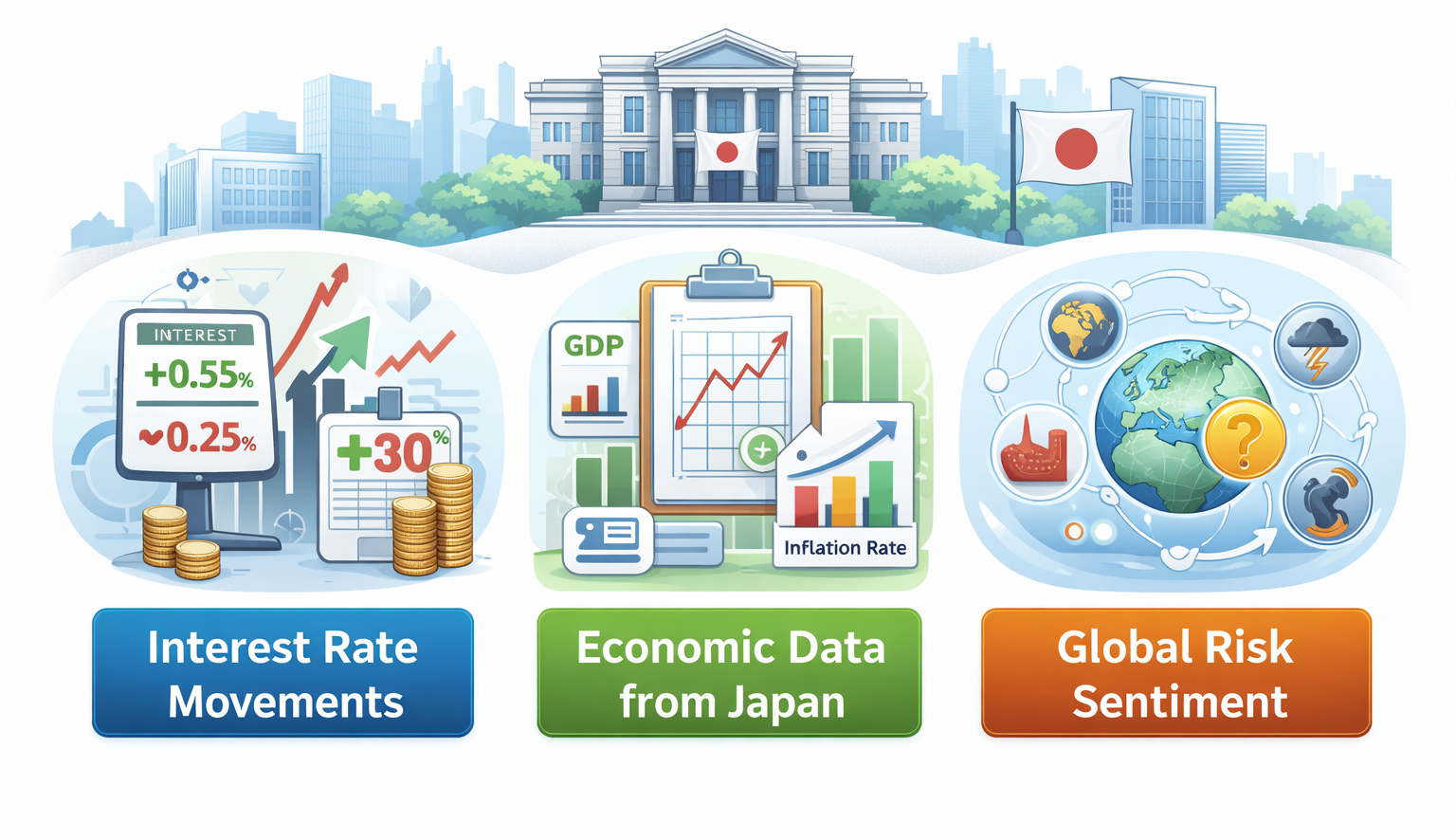
With the yen now driven by market forces, traders should keep an eye on several key factors that could influence the currency’s value:
- Interest Rate Movements: Watch for any changes in interest rates from the Bank of Japan compared to other central banks. If other central banks raise rates and Japan keeps its rates low, the yen might weaken.
- Economic Data from Japan: Keep an eye on Japan’s economic performance, including inflation, GDP growth, and unemployment. Positive data could push the yen higher, while negative data could have the opposite effect.
- Global Risk Sentiment: As a safe-haven currency, the yen’s value will often rise when global markets are uncertain. Global economic or geopolitical instability could increase demand for the yen.