
Understanding the core concepts of forex trading is essential for building a strong foundation and becoming a confident trader. These concepts are the backbone of successful trading, guiding you to make informed decisions, manage risks, and develop effective strategies.
1. Market Analysis: The Key to Informed Trading
Market analysis is an essential skill for anyone looking to succeed in forex trading. It helps traders evaluate the factors that influence currency prices and predict future movements. There are two primary types of market analysis:
Technical Analysis
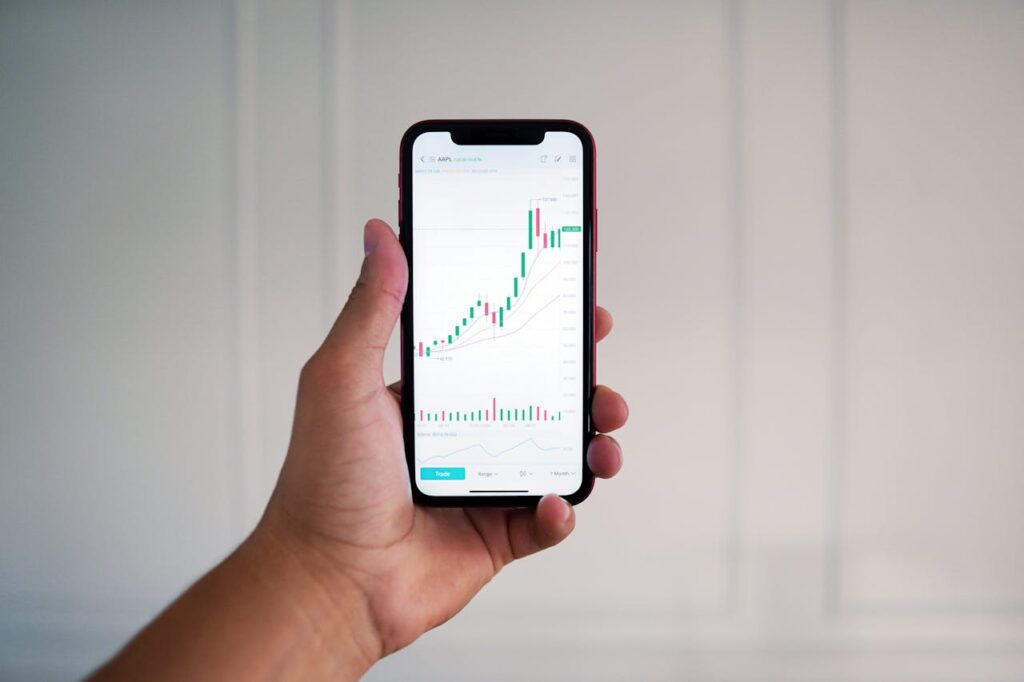
Technical analysis involves studying price charts, trends, and patterns to identify trading opportunities. Tools like moving averages, candlestick charts, and oscillators are commonly used to pinpoint entry and exit points. By relying on historical data, technical analysis is particularly useful for short-term trades and understanding how the market behaves.
Fundamental Analysis
Fundamental analysis focuses on economic indicators, geopolitical events, and central bank policies that affect currency values. Factors such as interest rates, GDP growth, and employment data are critical drivers of currency movements. Traders often use fundamental analysis for long-term strategies, combining it with technical tools for a well-rounded approach to decision-making.
2. Risk Management: Protecting Your Capital
Managing risks effectively is crucial for any trader who wants to succeed in the forex market. It is not just about making profits but also about protecting your trading capital. Here are three key strategies to keep in mind:
Stop-Loss Orders
Setting a stop-loss order ensures that a trade is automatically closed when the price reaches a certain level, limiting potential losses. This simple tool helps traders avoid significant setbacks.
Position Sizing
By risking only a small percentage of your trading capital on each trade—usually 1-2%—you can minimize exposure to losses and stay consistent in the market.
Leverage Control
Leverage allows traders to control larger positions with smaller amounts of capital, but it comes with significant risks. Choosing a leverage ratio that aligns with your risk tolerance is essential to avoid major losses.
3. Trading Psychology: Staying Focused and Disciplined
Trading is as much a mental game as it is a technical one. Maintaining discipline and controlling emotions like fear and greed can prevent impulsive decisions that often lead to losses. Here are some tips to strengthen your trading psychology:
- Follow your trading plan and stick to your strategies.
- Avoid overtrading or reacting to every price movement.
- Take regular breaks to reflect on your performance and maintain a clear mindset.
By staying disciplined, traders can make objective decisions and improve their overall results.
4. Trading Tools and Platforms: Enhancing Your Experience
Having the right tools at your disposal can make a huge difference in your trading journey. Here are some essential tools and resources to consider:
Trading Platforms
Platforms like the Vantage Trading Platform provide user-friendly interfaces, real-time market data, and technical indicators. These features allow you to analyze the market effectively and execute trades seamlessly.
Forex Signals
Forex signals are alerts that help traders identify potential opportunities based on market analysis. They are valuable for beginners and experienced traders alike.
Demo Accounts
Practicing with a demo account is an excellent way to test strategies and understand the mechanics of the market without financial risk. It is a safe environment for learning and building confidence.
5. Currency Pairs and Spreads: The Basics of Trading
Currency pairs are the foundation of forex trading. Each pair represents two currencies, such as EUR/USD, where the first currency is the base, and the second is the quote. Understanding the dynamics of currency pairs helps traders make informed choices.
Spreads, or the difference between the bid (buy) and ask (sell) prices, are a cost of trading. Tight spreads reduce trading costs, making them an important factor when choosing a broker.
6. Trading Strategies: Finding Your Approach
Developing a trading strategy that aligns with your goals and risk tolerance is essential. Here are three popular strategies:
Scalping
Scalping focuses on making small, frequent trades over short time frames. It requires quick decision-making and constant market monitoring.
Swing Trading
Swing trading targets medium-term price movements and involves holding positions for several days. It is ideal for traders who prefer a more balanced approach.
Carry Trading
Carry trading involves profiting from interest rate differences between two currencies. It is a long-term strategy that works well in stable market conditions.
By understanding and applying these important forex trading concepts—such as market analysis, risk management, trading psychology, and the use of effective tools—you can make better trading decisions and develop confidence in your strategies. Start with a demo account to practice these concepts, stay disciplined in your approach, and continue learning as you grow as a trader. Success in forex trading is not about luck; it is about mastering the basics and staying consistent in your efforts.